
Dr. Klejda Tani, PhD
With more than 15 years of clinical and academic experience, Dr. Klejda Tani focuses on the assessment, treatment and rehabilitation of musculoskeletal conditions, combining clinical practice with education and scientific research.
A career built on knowledge, experience and responsibility
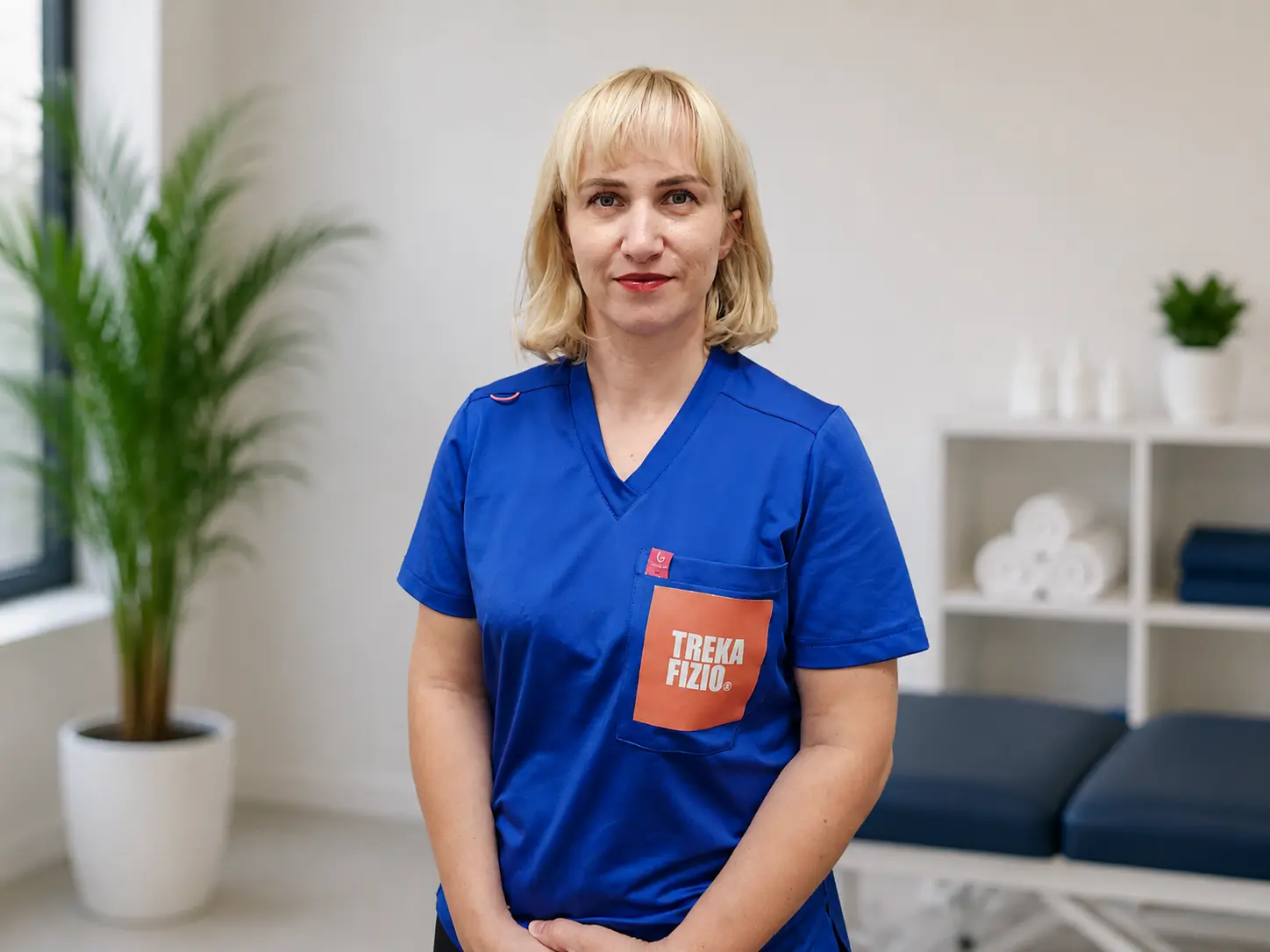
Dr. Klejda Tani is a physiotherapist, lecturer and founder of Treka Fizio. Throughout her career, she has combined direct clinical work with patients with teaching and the professional development of future physiotherapists.
Her clinical work is based on a detailed assessment of each patient. The aim is not only to identify where the pain is, but also to understand the factors that may have contributed to the problem and may continue to influence it.
Through Treka Fizio, Dr. Klejda Tani aims to provide a standard of physiotherapy in which patients feel heard, informed and supported throughout the rehabilitation process. Treatment is based on manual therapy, therapeutic exercise and individualized plans adapted to each patient's needs.
“We do not treat only the area that hurts. We try to understand why the problem developed.”
Detailed assessment
Every treatment process begins with a thorough understanding of the problem.
Individual treatment
The plan is adapted to the patient's condition, needs and goals.
Honest communication
No unrealistic promises and no unnecessary sessions.
Physiotherapy instructor on Udemy
Dr. Klejda Tani's experience in physiotherapy education also extends to international online learning platforms. She is an instructor on Udemy, where she has created a series of 10 professional physiotherapy courses.
The courses are designed for students, physiotherapists and rehabilitation professionals and cover clinical assessment, musculoskeletal rehabilitation, neurology, manual therapy and specific physiotherapy methods.
Visceral Manual Therapy for Physiotherapists and Osteopaths
Physiotherapy – PNF Method, PNF Stretching, PNF Exercises
Manual Therapy in Temporo-Mandibular (TMJ) Disorders
Physiotherapy for Low Back Pain – Hip, Knee and Ankle Pain
Physiotherapy for Neck Pain, Shoulder, Elbow and Wrist Pain
Physiotherapy in Disc Herniation and the McKenzie Method
Physiotherapy in Neurological Patients and Bobath Concept
Scoliosis and Physiotherapy Treatment
Physical Therapy – Muscle Strength Examination, Stretching
Fundamentals of Examination in Physiotherapy
A career bridging clinical practice and academia
International education, clinical experience and continuous involvement in teaching and scientific research have shaped Dr. Klejda Tani's professional approach. Her work combines patient care with the education of future generations of physiotherapists.
Education and academic training
Bachelor's Degree in Physiotherapy
Charles University, Prague, Czech Republic.
Master of Science in Physiotherapy
Charles University, Prague, Czech Republic.
Doctoral Studies in Physiotherapy
Faculty of Technical Medical Sciences, University of Medicine, Tirana.
Academic career
Head of the Department of Rehabilitation and Lecturer
Sports University of Tirana, Faculty of Rehabilitation Sciences.
View institutional profileAssistant Lecturer / Full-time Lecturer
University of Medicine, Faculty of Technical Medical Sciences.
Assistant Lecturer / Full-time Lecturer
ALDENT University, Tirana.
Physiotherapist and Clinical Director
After gaining professional experience in Prague, she returned to Tirana, where she continued her clinical practice alongside her academic career.
Guest Lecturer in Erasmus+ programmes
Her involvement in international programmes has created opportunities for academic exchange, collaboration with European universities and the sharing of professional experience in physiotherapy and rehabilitation.
Key specializations
Dr. Klejda Tani has continuously pursued theoretical and practical training in Albania and internationally, with a focus on keeping her professional knowledge and clinical methods up to date.
Dynamic Neuromuscular Stabilization
A postural approach focused on neuromuscular control, stabilization and the functional organization of movement.
STECCO Fascial Manipulation Therapy
A specialized approach to the assessment and treatment of the fascial system and its role in movement and function.
Research interests
Scientific publications
Dr. Klejda Tani's research includes scoliosis, musculoskeletal rehabilitation, knee osteoarthritis, neuroplasticity, physiotherapy in intensive care, rehabilitation and movement science.
Prevalence of Scoliosis and Spinal Deformities in Tirana Schoolchildren: A Cross-Sectional Study
An epidemiological study on the prevalence of scoliosis and spinal deformities among schoolchildren aged 10–15 years in Tirana.
Publications include international scientific journals, professional journals and open-access research.
Clinical expertise
Dr. Klejda Tani's clinical experience includes functional assessment and rehabilitation of musculoskeletal conditions. Her approach combines clinical assessment, manual therapy, therapeutic exercise and patient education.
Spinal rehabilitation
Detailed assessment of movement and function to identify factors associated with the patient's symptoms and develop an individualized rehabilitation programme.
View treatmentsManual therapy
Manual techniques are used as part of the rehabilitation process to address movement restrictions, mobility and musculoskeletal function.
Functional assessment
Assessment of movement, posture, strength, mobility and motor control to better understand factors associated with pain or limitations in movement.
Post-operative rehabilitation
Progressive rehabilitation programmes adapted to each stage of recovery, with a focus on mobility, strength, function and a gradual return to everyday activities.
Sports rehabilitation
Assessment and rehabilitation following sports injuries, with programmes designed to support a gradual return to activity and improve strength, control and function.
Therapeutic exercise and patient education
Exercise and practical guidance are integrated into the rehabilitation process to help patients better understand their condition and take an active role in their own care.
Every patient and every condition is different. For this reason, each rehabilitation plan begins with a detailed assessment and is adapted to the patient's needs, goals and progress.

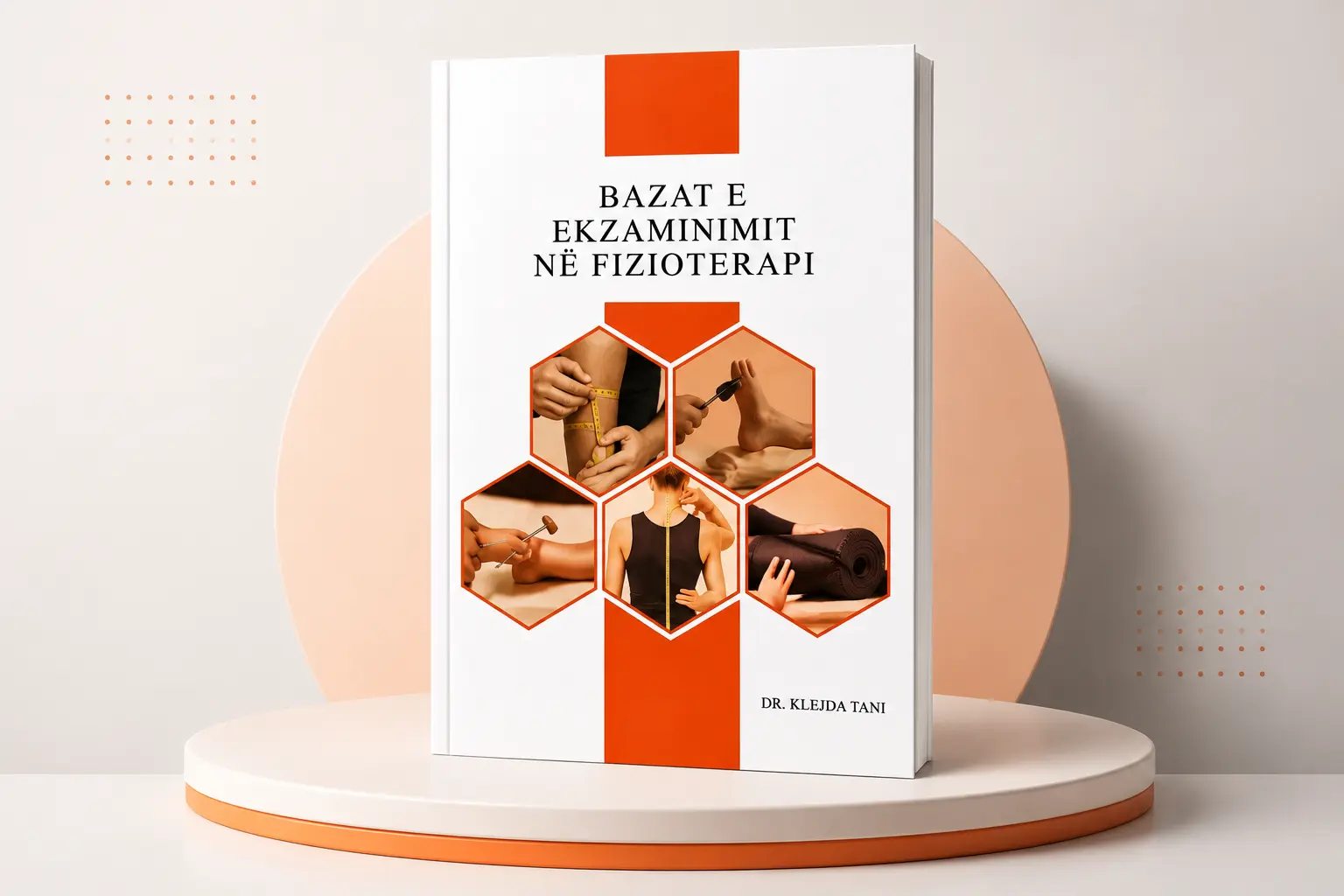
Bazat e Ekzaminimit në Fizioterapi
“Bazat e Ekzaminimit në Fizioterapi” is a professional book by Dr. Klejda Tani focusing on physiotherapy examination, functional assessment and clinical reasoning.
The book is intended for physiotherapy students and professionals and aims to support a structured approach to patient assessment, movement, function and the planning of physiotherapy interventions.
Careful assessment is the foundation for understanding the patient's problem and developing an individualized rehabilitation plan.
Dr. Klejda Tani in the media
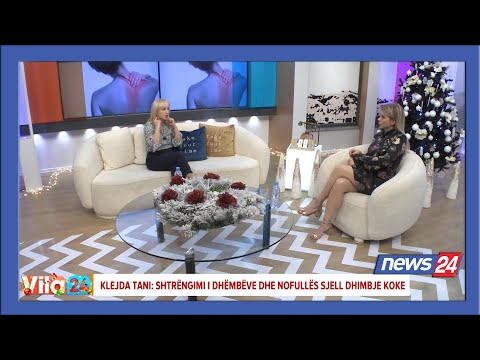
Dr. Klejda Tani has been invited to television programmes and Albanian media to share her expertise in physiotherapy, rehabilitation, musculoskeletal conditions, prevention and the importance of movement for health.

Sciatica or muscular pain? How can we tell the difference?
Dr. Klejda Tani explains the differences between sciatic nerve pain and muscular pain, as well as when a professional assessment may be appropriate.
Watch the interviewExplore the complete interview archive, organized by topic, with search and filters to help you find the videos that interest you.
Approach to patient care
For Dr. Klejda Tani, physiotherapy is not simply about treating the area where pain is felt. The process begins with understanding the problem, how it affects movement and the patient's individual goals.
We do not treat only the area that hurts. We try to understand why the problem developed.
Every patient has a different history, movement pattern and set of goals. For this reason, treatment should not be the same for everyone.
Assessment before treatment
The process begins by listening to the patient, assessing movement and identifying factors that may be associated with the problem.
Individual treatment plan
Treatment is adapted to each patient's condition, level of function, activity and individual goals.
Clear communication
Patients receive a clear explanation of their problem, the treatment approach and the role they can play in their own recovery.
Honest treatment
No unrealistic promises, no unnecessary dependency and no continued sessions when they are no longer needed.
To help patients understand their problem, restore function and feel more confident in movement.